

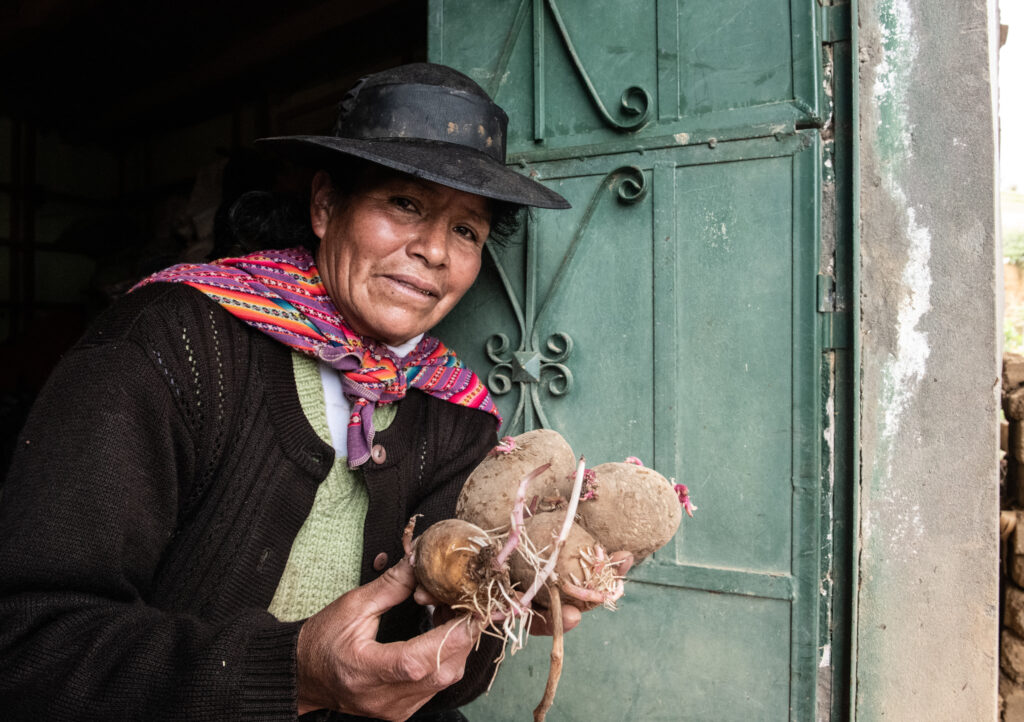
Gene banks and global collaboration deliver disease- and climate-resistant solutions for farmers
Text and images provided by Crop Trust
The same disease that caused the Irish Potato Famine nearly two centuries ago still devastates potato crops worldwide, inflicting up to $10 billion in annual losses.
Now, climate change is driving the disease higher into the Andes and threatening the livelihoods of smallholder farmers who grow one of the world’s most important staple foods.
However, ahead of the COP30 United Nations Climate Change Conference, in Brazil, held November 10-21, 2025, a new disease-resistant potato variety was ready to highlight the innovation farmers need to thrive in a changing climate.
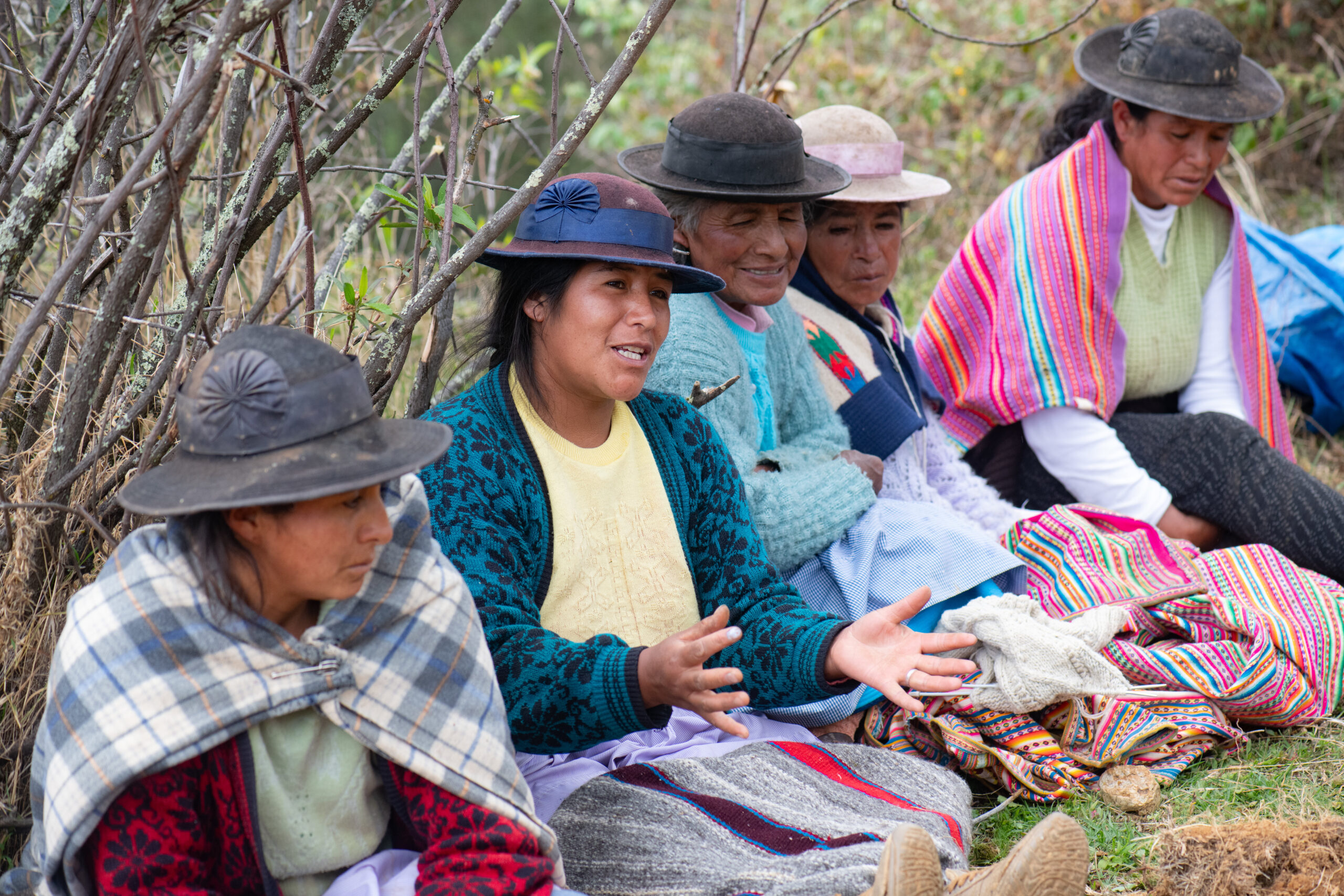
Developed by scientists from the International Potato Center (CIP) with the participation of Indigenous communities, the new potato variety, called CIP-Asiryq, resists the disease that struck Ireland, late blight.
It requires fewer fungicide sprays, cooks 25% faster than Peru’s popular Yungay variety, and shows strong potential for both table and processing markets.
“Late blight costs billions of dollars every year in lost production,” says Dr. Stefan Schmitz, executive director of the Crop Trust. “The new resistant variety gives potato farmers an option that can reduce losses, cut costs and strengthen food security in Peru and around the world. It’s good news for everyone who likes potatoes.”