

How Wisconsin farmers are keeping local food moving
In early 2025, Wisconsin’s local food supply chain was dealt an unexpected setback. The U.S. Department of Agriculture abruptly withdrew over $5 million in funding previously dedicated to purchasing local produce for schools, food pantries, and tribal communities.
Almost overnight, contracts for 108 Wisconsin family farmers were canceled, and deliveries to 254 food access sites ground to a halt, putting hard-won progress at risk across all 72 counties.
It was a jarring turn for a program that, in just two years, had delivered $4.23 million worth of fresh, local food to Wisconsin families. The sudden end of these Local Food Purchase Assistance markets left both small farms and vulnerable families facing an uncertain future.
But in true Badger State spirit, Wisconsin’s agricultural community didn’t back down.
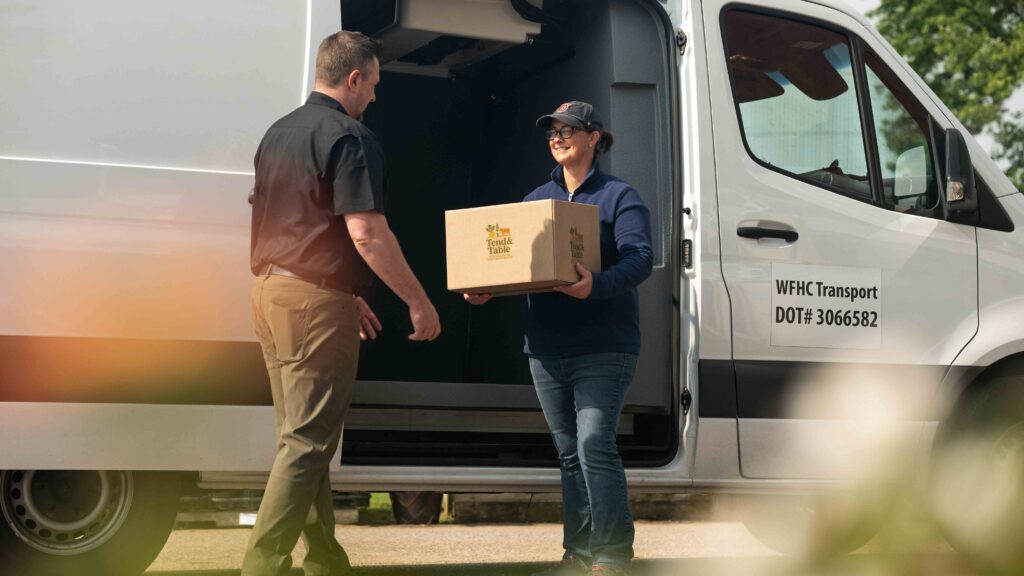
Instead, the farmer-led Wisconsin Food Hub Cooperative (WFHC) sprang into action, launching a bold new solution: the Super Transportation Cooperative.
HOMEGROWN SOLUTION
The Super Transportation Cooperative (STC) is not just a stopgap. It’s a collaborative, statewide logistics network that brings together farmers, food hubs, nonprofits, and food access organizations under a single, coordinated distribution system.
Built on a hub-and-spoke model, regional “sub-hubs” aggregate food, and shared refrigerated trucks carry those goods on planned routes across Wisconsin.
Most importantly, the trucks never run empty: every return trip is loaded with produce or supplies, eliminating wasted miles and slashing transportation costs by about 25%.
The culmination of orders from small-to-large farms for schools, pantries, and retail improves capacity, which, in turn, decreases transport costs for all and leads to lower prices for consumers.
According to the WFHC, this innovative system has already proven to be more efficient, affordable, and resilient than anything that came before it, keeping Wisconsin-grown food on the move even after the loss of federal support.